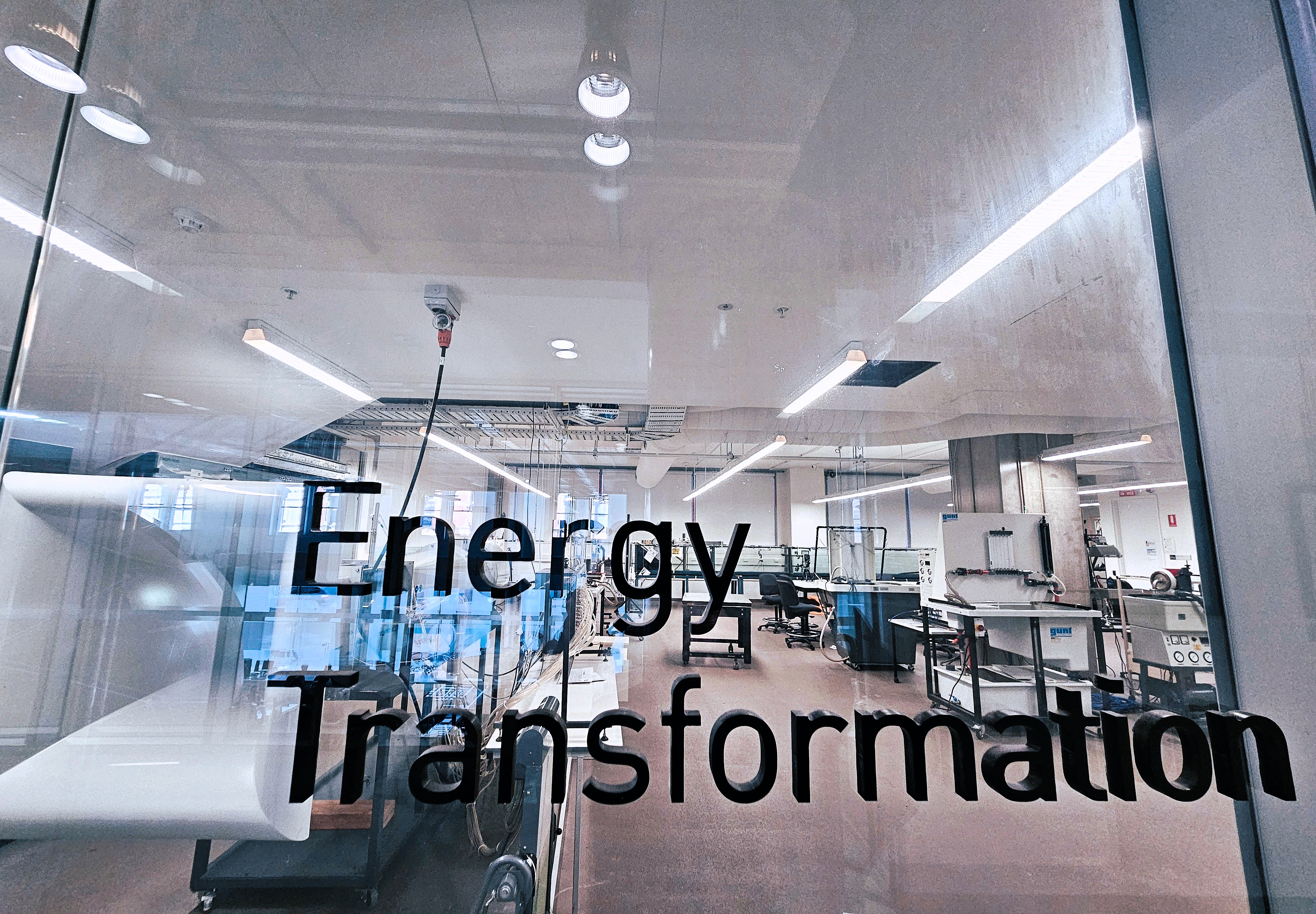
Bringing Turbulent Trajectories: Bubbles in ocean waves and seafloor curtains research and compositional ideas into the performance space with Pulse: A Love song to a bleeding ocean
Following the beautiful guest residency at Te Whare Hare, I had another fantastic opportunity to bring research ideas and materials into collaboration, this time for a new performance work with long-time colleague Susan Bamford Caleo (performer, voice, co-creator) and Gina Gascoigne (lighting design, video projections) for Pulse: A love song to a bleeding ocean as part of Hope Punk Climate Festival, La Mama, Melbourne.
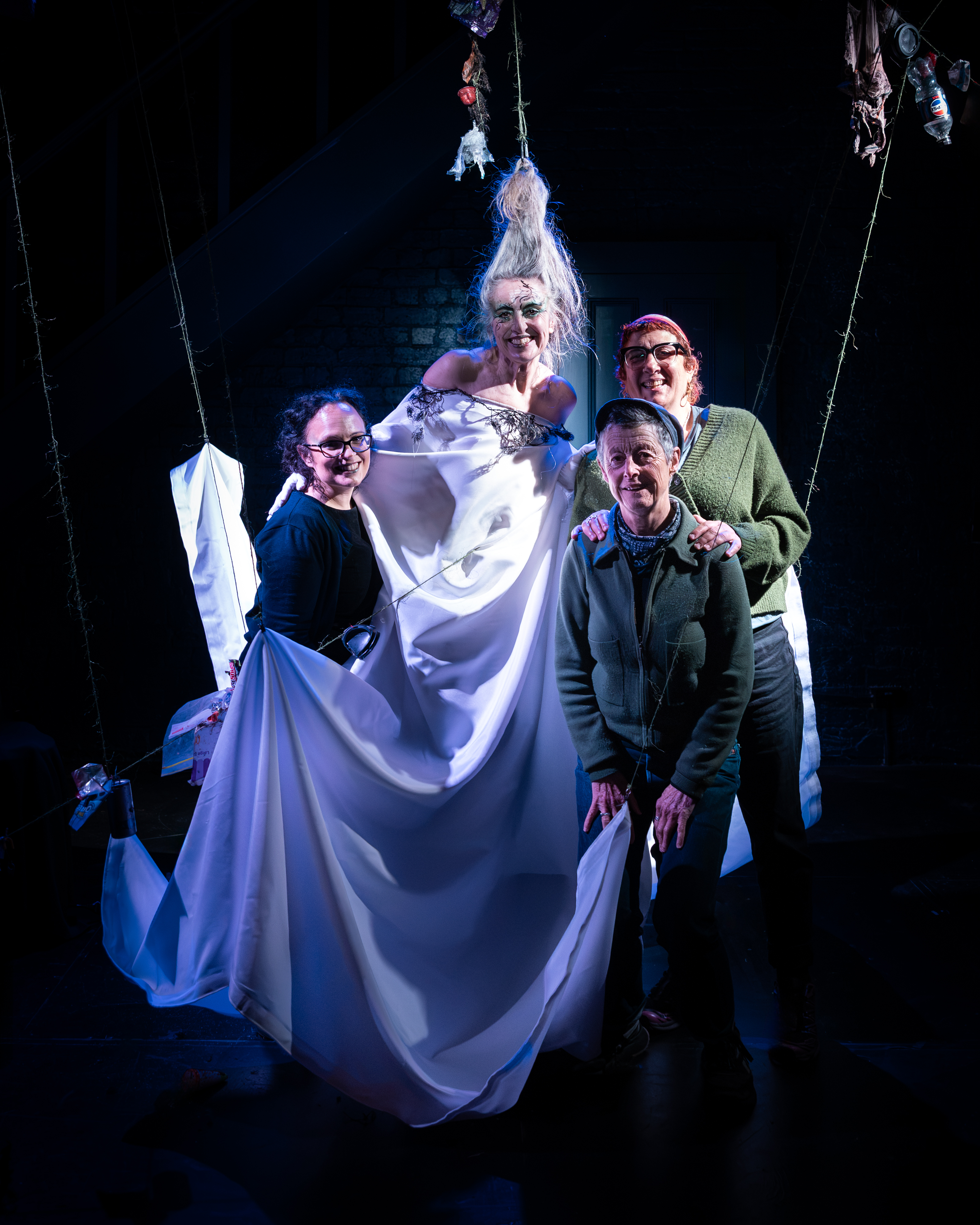
Here are some photos by Darren Gill from Pulse: A love song to a bleeding ocean, in performance:
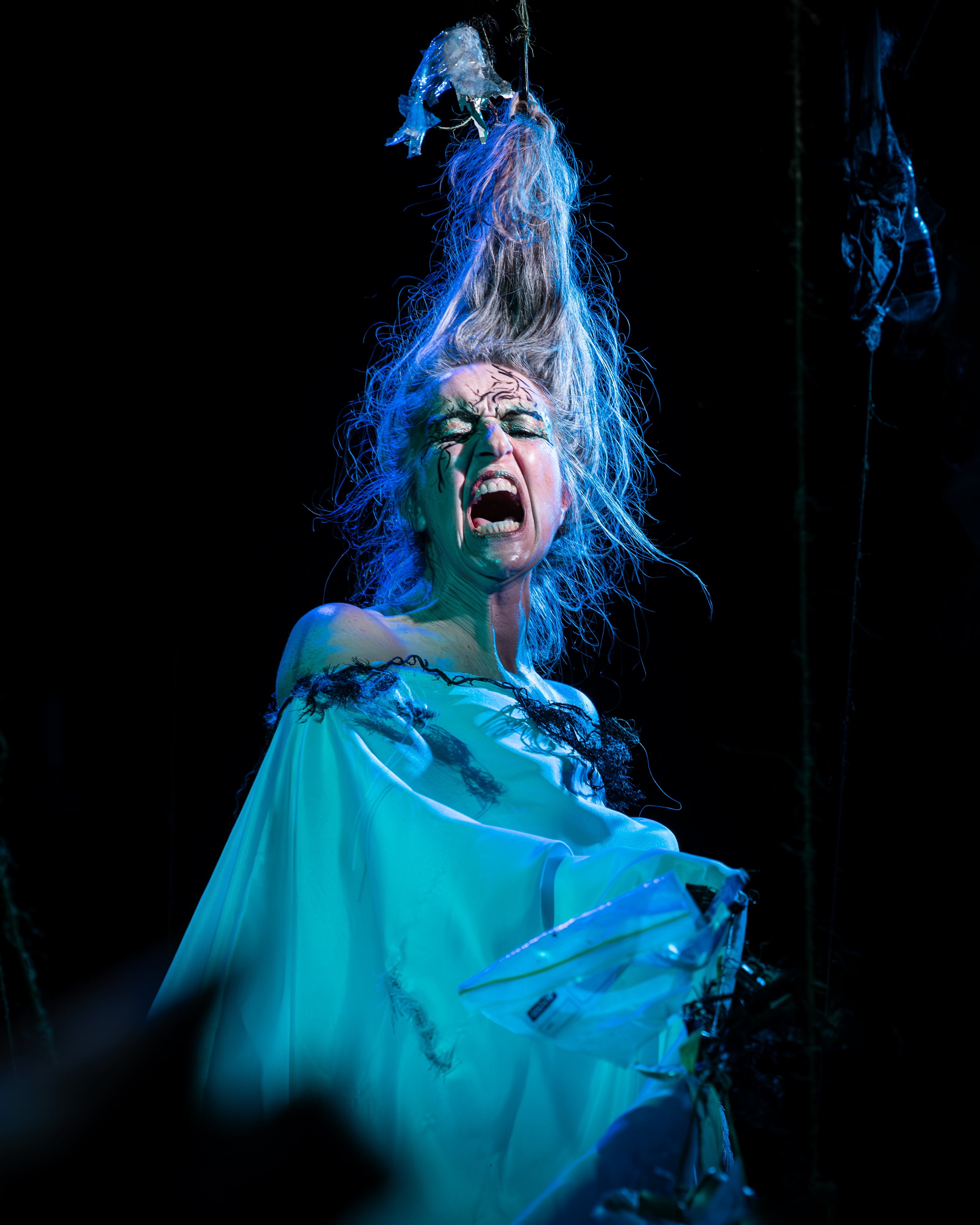
pictured Susan Bamford Caleo, Photo by Darren Gill
The premise for Pulse, and the existing approach Susan and I share in creating new performance art works, allowed me to experiment with both extended instruments, playable found objects and vocal techniques and with my growing collection of SYNAPSE residency-based field and lab recordings in creating an immersive oceanic underwater and seabed sound world for Pulse.
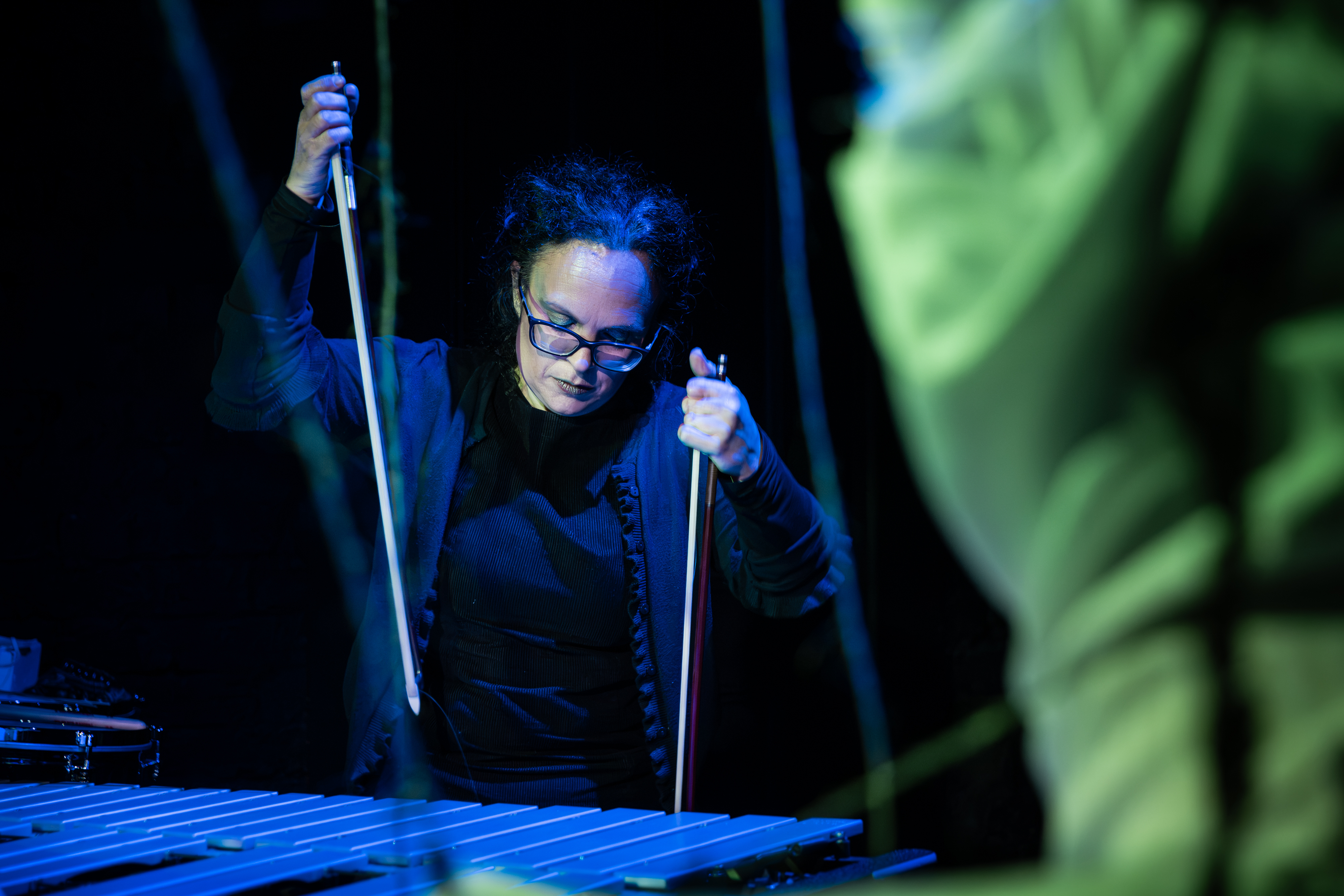
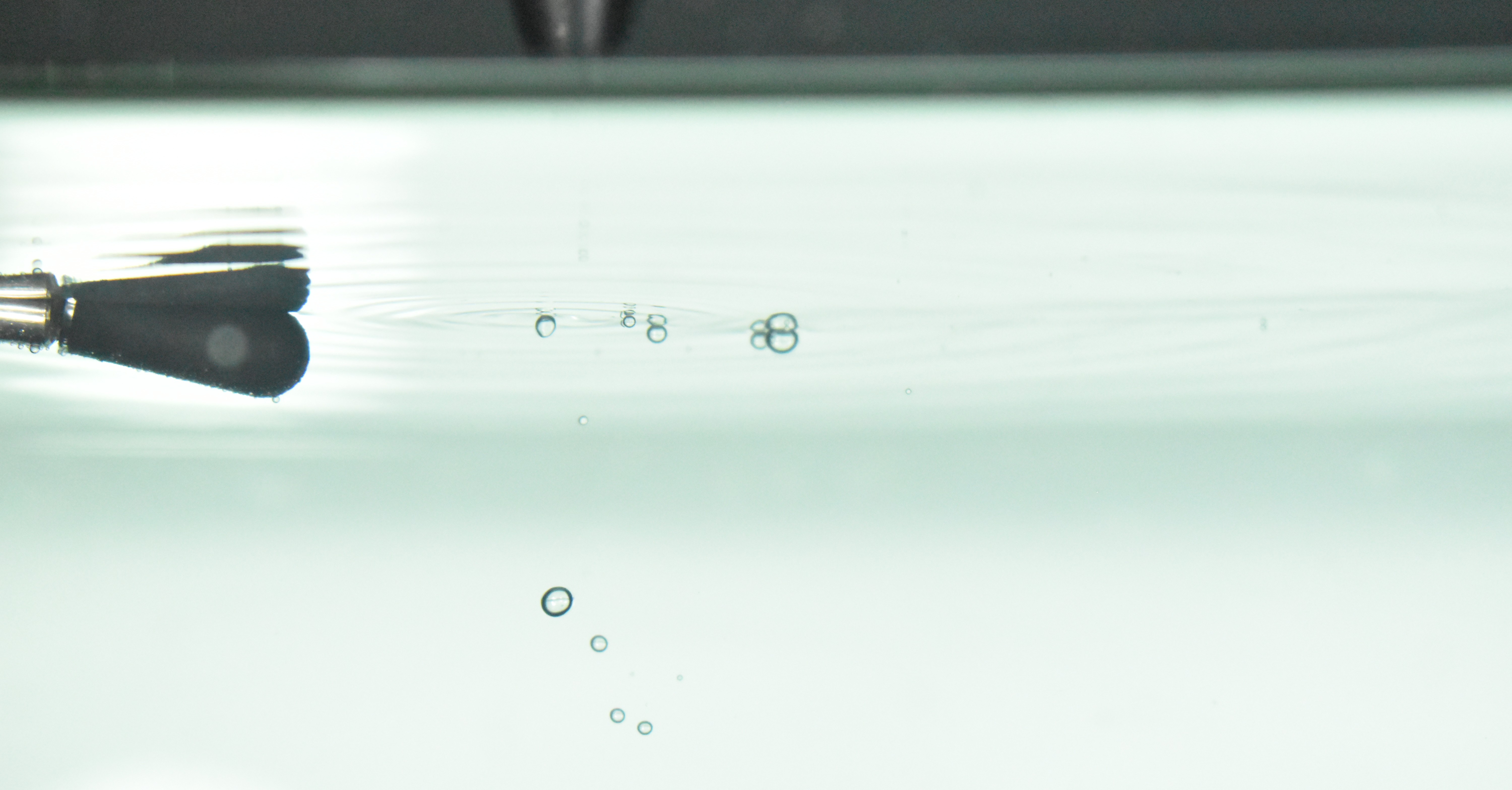
Both the text-based materials and the sonic, field recordings, lab recordings and Richard’s synthetic bubbles recordings feature in these compositions.
Click here for an example of the soundart works I created.
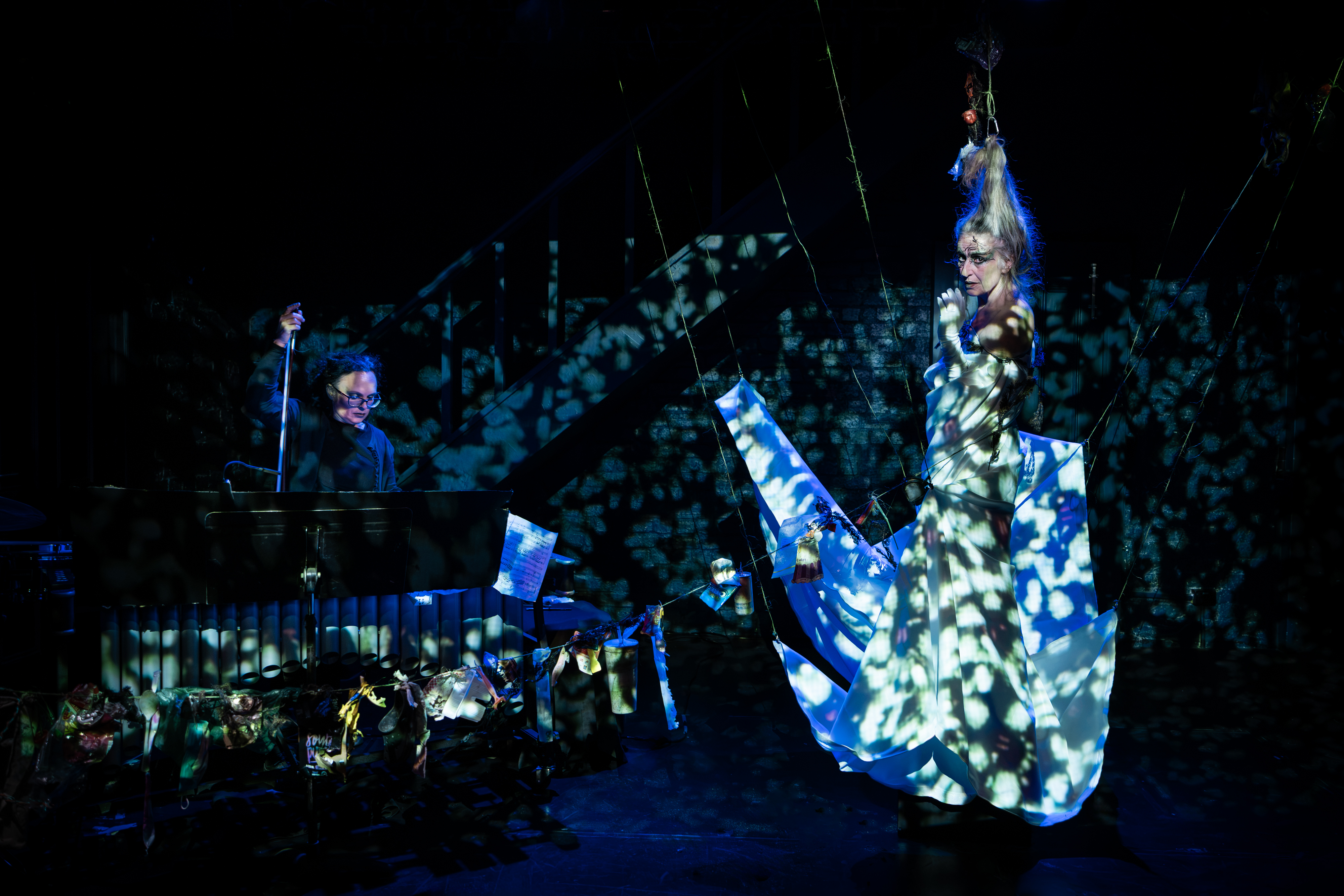
The opportunity to bring a 60 minute long set of sound-art and live compositions together, and to play and refine them, firstly with wonderful colleague Susan, and then to audiences in a 5-run season has been a beautiful, and energising way to move into this final 2 months of the ANAT residency.
Composing with turbulence:
I now turn towards further composition for instrumental ensemble and sound-art, with the new lab results, tests and recordings at the centre of the composition.
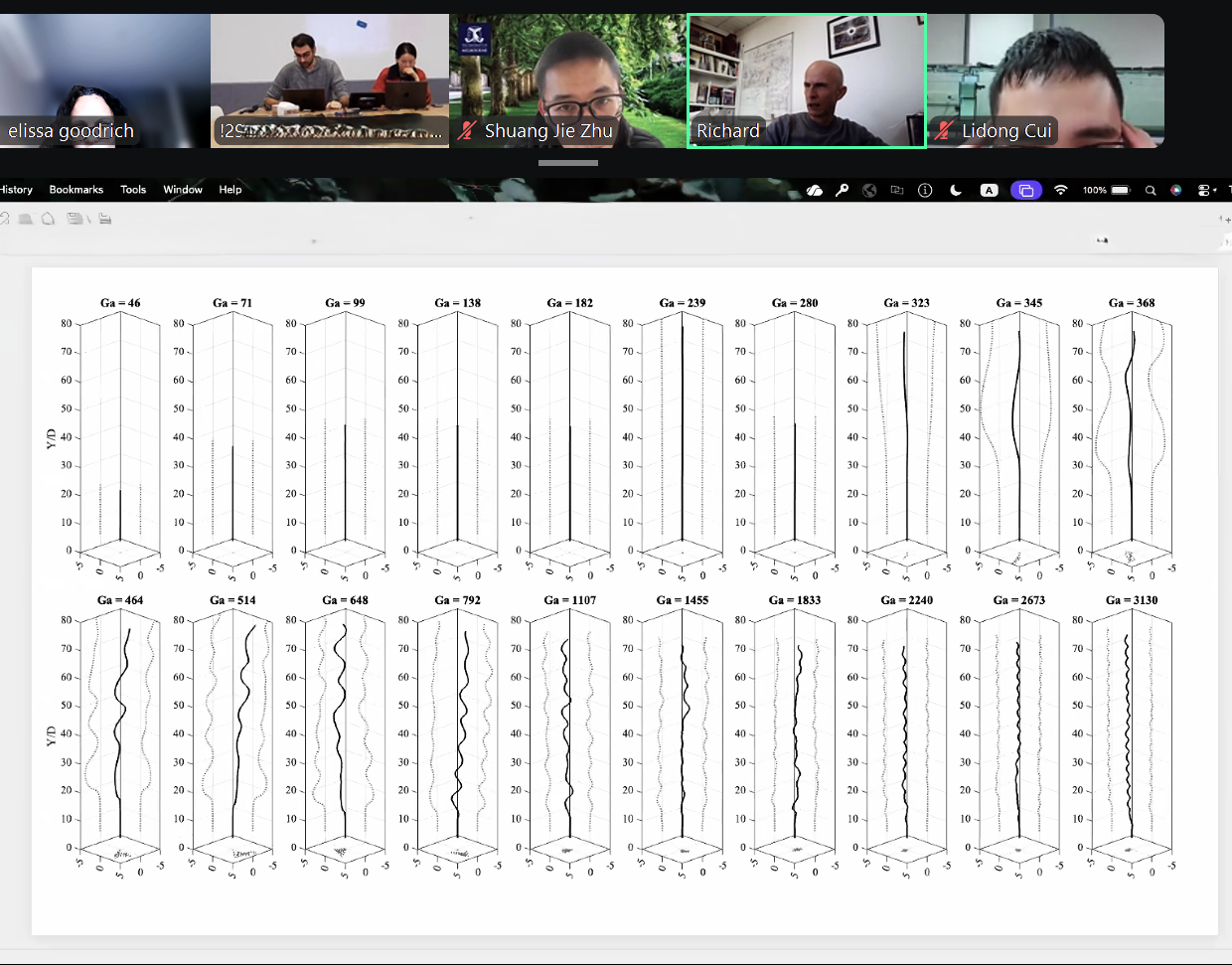
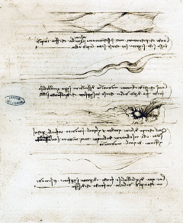
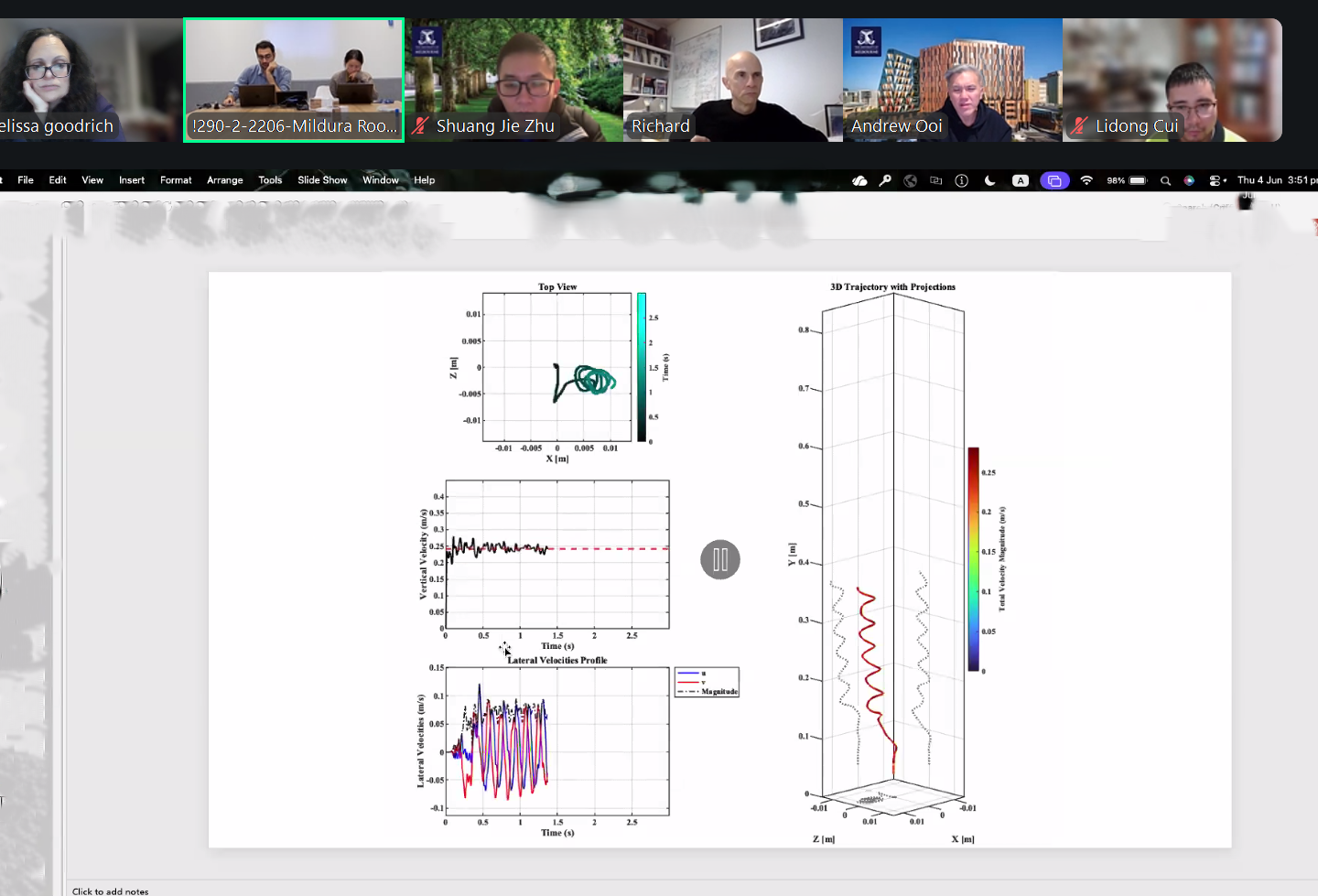
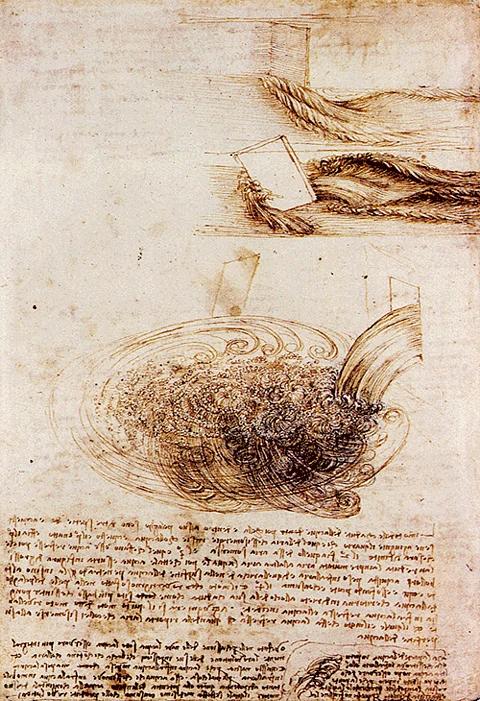
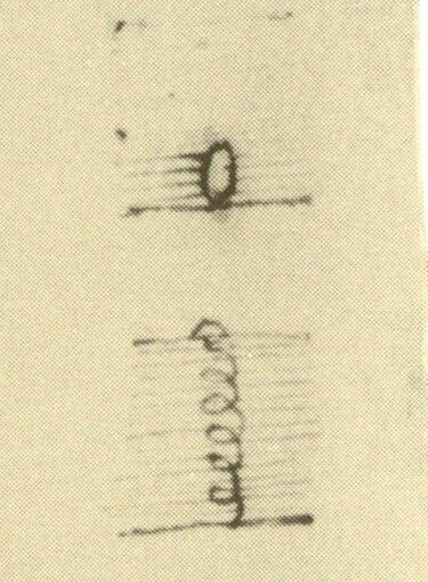
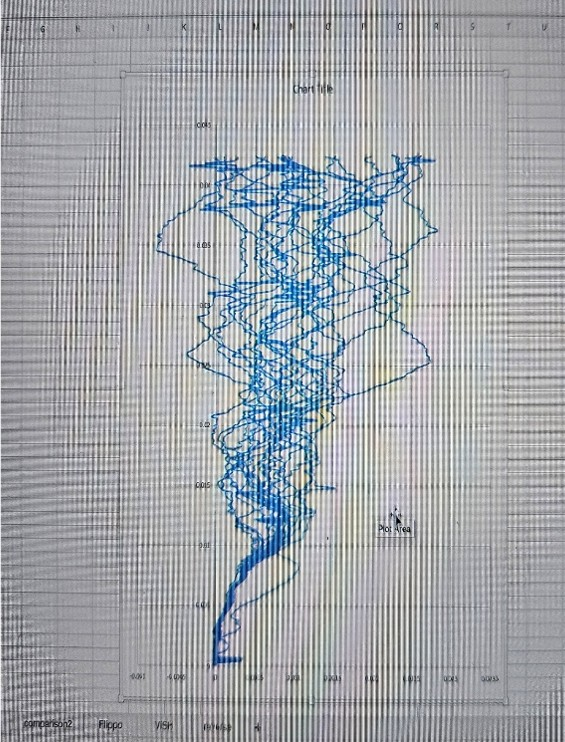
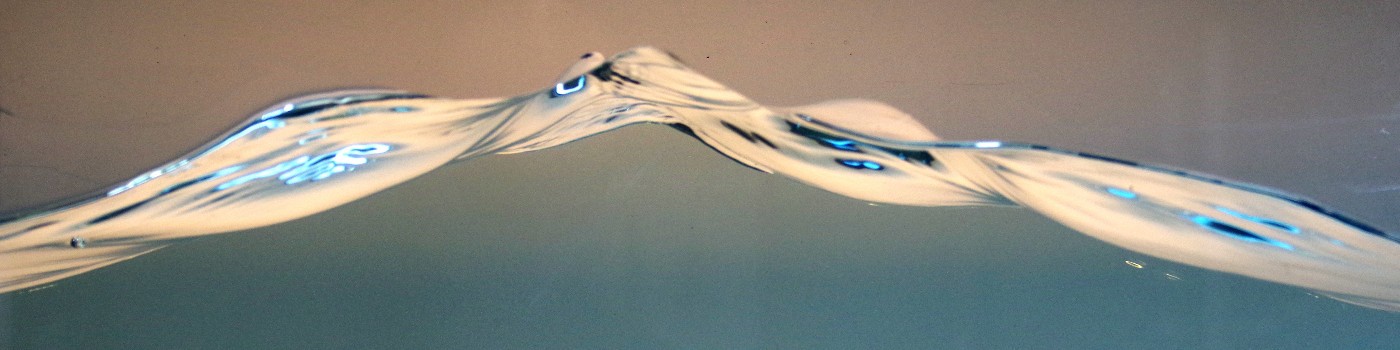
The scientists’ current bubbles and waves tests and simulations have also returned us to a powerful set of terms around the phenomena turbulence. These key terms have resurfaced in recent team meetings and in my explorations with the team: Richard, Andrew, Lidong, Ali, Jen, and Shuang.
It feels especially potent and significant that these ways of describing and accounting for turbulence, and of mapping change that may or may not be predictable have re-emerged in the team’s discussions in the last few weeks.
More on Turbulence and Change, and how they speak compositionally through music in the next blog post..